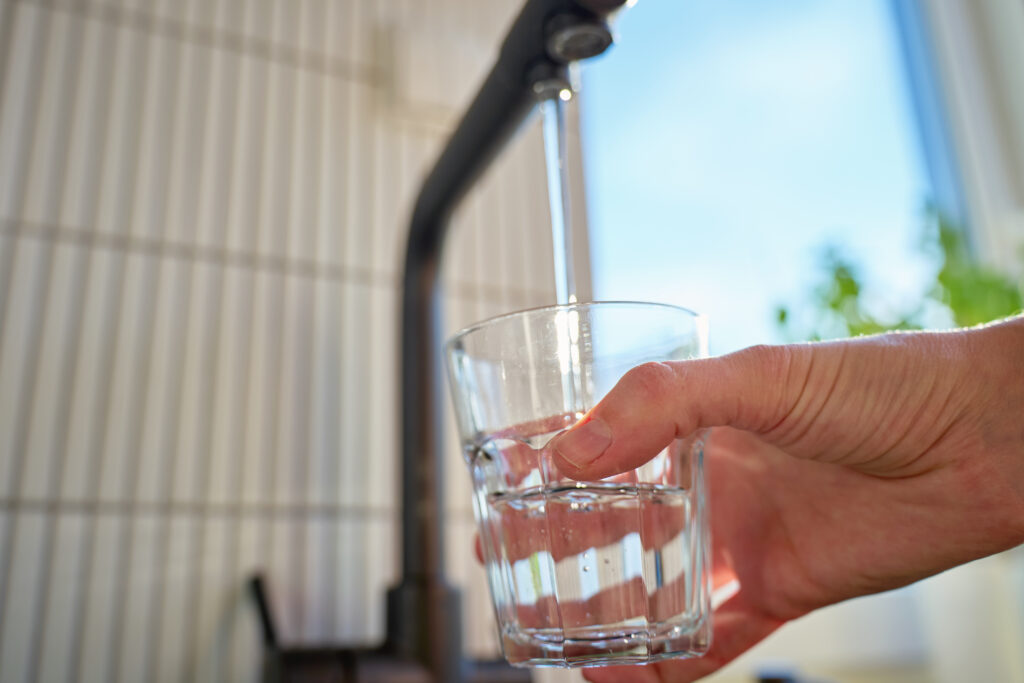
For many families living in the hills and valleys of Westchester County, the quality of what comes out of the kitchen tap is often taken for granted. We use it to brew our morning coffee, boil pasta for Sunday dinner, and hydrate after a walk along the Old Croton Aqueduct. However, as infrastructure ages and environmental factors shift, more residents are asking a fundamental question: Do I really know what is in my water?
While municipal reports provide a broad overview of city-wide standards, they don’t always reflect the reality of what is happening inside individual Yonkers properties. The journey from a reservoir to a glass involves miles of underground pipes, various pressure zones, and the specific plumbing setup of your own home. This complexity is why professional analysis has become a vital tool for families seeking clarity and peace of mind.
The Gap Between Municipal Reports and the Kitchen Tap
It is a common misconception that because the city meets federal guidelines, every home is receiving identical water quality. The City of Yonkers works diligently to treat water at the source, but the Environmental Protection Agency (EPA) notes that many contaminants enter the stream after the water leaves the treatment plant.
Lead, for instance, is rarely found in the source water itself. Instead, it leaches into the supply through old service lines or lead-based solder used in homes built before the mid-1980s. For families living in historic neighborhoods, a general city report might show “safe” levels, while their specific faucet could tell a different story. Professional testing bridges this gap by providing a localized, home-specific data set that general reports simply cannot offer.
Why DIY Kits Often Fall Short
In an age of convenience, many homeowners are tempted by the “strip tests” found at big-box hardware stores. While these can provide a very basic baseline, they often lack the sensitivity required to detect low but significant levels of heavy metals or complex chemical compounds.
A professional laboratory environment utilizes high-precision equipment to detect parts per billion—a level of detail that a color-changing strip can’t match. When it comes to the health of children or elderly family members, “approximate” answers aren’t enough. Families are increasingly turning to dedicated water testing services because they want forensic-level detail rather than a general guess.
Addressing Common Water Quality Concerns
Discoloration, odd smells, or a metallic aftertaste are the most common reasons people begin to investigate their water. However, some of the most pressing water quality concerns are completely invisible, odorless, and tasteless.
- Lead and Copper: As mentioned, these heavy metals usually originate from the plumbing itself. Long-term exposure can lead to developmental issues in children and kidney problems in adults.
- PFAS and “Forever Chemicals”: Modern environmental science has highlighted the persistence of per- and polyfluoroalkyl substances in groundwater across the country. According to the New York Department of Health, monitoring these substances is a growing priority for the state.
- Bacteria and Biofilms: Even in treated systems, stagnant water in old pipes can allow for the growth of bacteria.
- Hardness and Minerals: While not always a health risk, high mineral content can destroy expensive appliances and lead to skin irritation.
The Peace of Mind for New Homeowners
The real estate market in Westchester remains incredibly active. For those moving into the area, whether it’s a sleek condo or a charming colonial, understanding the “health” of the home is a top priority. A standard home inspection covers the roof and the foundation, but it rarely dives deep into the chemical makeup of the water supply.
New residents often check our blog to understand the specific environmental history of their new neighborhood. Knowing whether a house has a lead service line or if the local water pressure is likely to cause sediment buildup helps new owners plan for necessary upgrades like whole-house filtration or pipe replacement before they even move their furniture in.
Protecting Vulnerable Populations
For families with infants, the quality of water used for mixing formula is paramount. The Centers for Disease Control (CDC) emphasizes that infants and young children are more susceptible to the toxic effects of lead because their bodies absorb it more readily than adults.
By obtaining professional answers, parents can rest easy knowing that the water they use every day is helping, not hindering, their child’s development. It’s about moving from a state of “hoping it’s okay” to “knowing it’s safe.”
How Local Geography Impacts Your Water
Yonkers is a unique city due to its varied topography. From the waterfront to the higher elevations of Northeast Yonkers, the water system operates across different pressure zones. These variations can impact how sediment moves through the pipes and how much wear and tear the plumbing experiences.
Because we operate in various locations throughout the city, we see firsthand how water quality can vary from one street to the next. Factors such as proximity to major construction projects or the age of the local water mains can all play a role in what ends up in your glass. Professional testing takes these local nuances into account, providing answers that are relevant to your specific block and building.
The Economic Value of Clear Answers
Investing in professional water analysis is often a cost-saving measure in the long run. When a family knows exactly what is in their water, they can avoid spending thousands on unnecessary or ineffective filtration systems.
Many people buy expensive “all-in-one” filters that don’t actually target the specific minerals or chemicals present in their home. With a detailed lab report, a homeowner can purchase a targeted solution—perhaps a simple carbon filter for taste or a specific ion-exchange system for hardness—ensuring they get the most value for their money. Furthermore, protecting appliances like dishwashers and water heaters from scale and sediment buildup saves significant replacement costs over time.
Empowering the Community Through Information
When Yonkers families take the step to test their water, they aren’t just helping themselves; they are contributing to a safer community. When patterns of contamination are identified, it allows for better advocacy with local utilities and government bodies.
Knowledge is power. For many, the first step is simply getting more information. We encourage residents to look through our faq to see what others in the area are asking. Common questions often involve the difference between “cloudy” water and “hard” water, or how to tell if a faucet is contributing to lead levels.
What to Expect from Professional Testing
The process is designed to be as non-intrusive as possible. It generally involves:
- Strategic Sampling: Taking water samples from different points in the home (e.g., the kitchen sink and the main entry point) to determine where any issues might be originating.
- Laboratory Analysis: Using certified methods to check for a wide spectrum of contaminants.
- Detailed Reporting: Providing a clear, easy-to-read breakdown of what was found, how it compares to safety standards, and what the potential next steps should be.
This scientific approach removes the guesswork that often plagues home maintenance. Instead of worrying every time the news mentions a water main break, families have a baseline understanding of their home’s defense systems.
A Commitment to Local Health
At the end of the day, water is the most essential resource we have. It is the foundation of a healthy home and a thriving city. By choosing to seek professional answers, families are making a statement that they value transparency and health above all else.
If you are curious about the status of the water in your home, or if you have noticed changes in clarity or taste, it is the perfect time to reach out. You can contact us directly to discuss your concerns and set up a time to get the answers your family deserves.
Conclusion
In a world full of variables, the safety of your drinking water shouldn’t be one of them. Professional testing provides the data, the context, and the solutions needed to ensure that every tap in Yonkers delivers nothing but pure, safe water. By moving beyond the generalities of municipal reports and the inaccuracies of DIY kits, families can take full control of their home environment.
Whether you are concerned about aging pipes, local construction, or just want the peace of mind that comes with a clean bill of health for your plumbing, professional analysis is the key. Your home is your sanctuary—make sure the water flowing through it is as safe as it can be. For more information on how we serve the community, visit olympianwatertestingofyonkers.com and join the many local families who are choosing clarity over uncertainty.