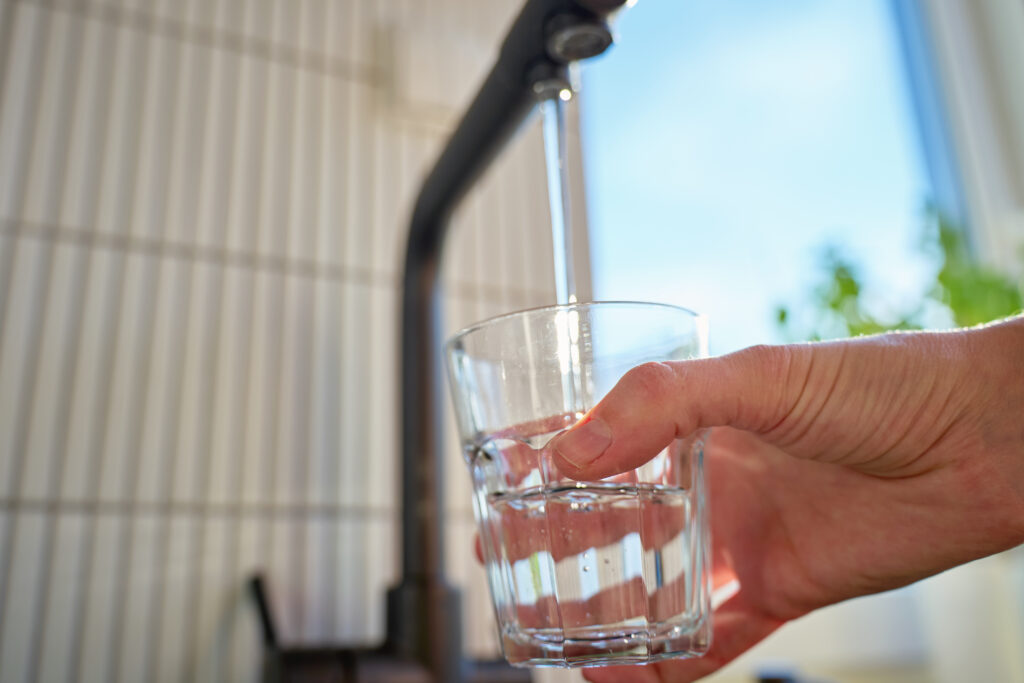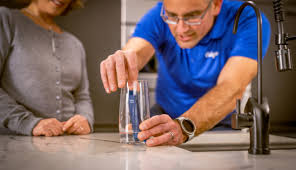
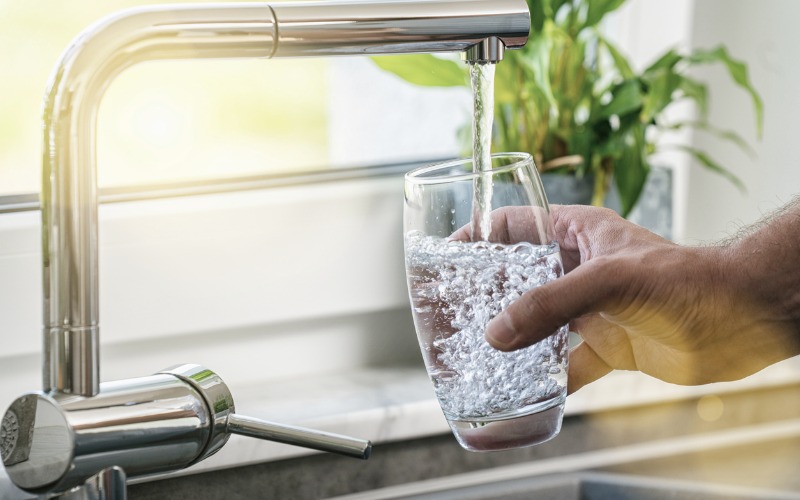
The real estate market in Northwest Yonkers is as picturesque as it is competitive. From the winding roads of Glenwood to the majestic views in the Hudson Park district, the area is defined by its historic charm and architectural diversity. Many buyers are drawn to the region for its “character”—the high ceilings, original hardwood floors, and the feeling of permanence that modern builds often lack. To meet this demand, many Yonkers properties undergo extensive aesthetic renovations before hitting the market. Quartz countertops, subway tile backsplashes, and brushed gold fixtures give these homes a “move-in ready” appeal that is hard to resist.
However, there is a caveat that every savvy homeowner and buyer should keep in mind: a fresh coat of paint and a designer faucet can easily mask what lies beneath. In many Northwest Yonkers homes, the “clean” renovation stops at the drywall. While the visible fixtures are brand new, the arteries of the home—the vertical risers, horizontal branch lines, and service connections—may still be the original components from 1920 or 1950. This creates a disconnect between the modern aesthetic of the home and the actual quality of the water flowing through it.
The Mirage of the Modern Kitchen
When you walk into a newly renovated kitchen in a neighborhood like Woodstock Park, it is easy to assume that the water quality is as high as the craftsmanship of the cabinetry. Unfortunately, beauty is often skin-deep in the world of plumbing. A common practice in “fix-and-flip” scenarios or quick updates is to replace the visible plumbing under the sink with PVC or PEX, while leaving the galvanized steel or lead-soldered copper pipes intact inside the walls.
This creates a hidden reservoir for water quality concerns. These older materials are prone to internal corrosion over time. As galvanized pipes age, they develop a “scale” of rust and mineral deposits on the inside. This scale can trap heavy metals and provide a breeding ground for bacteria. When you turn on that expensive new faucet, the water travels through decades of accumulated buildup before it reaches your glass. Without professional water testing services, there is no way to know if your “new” kitchen is serving old problems.
Why “New” Faucets Can’t Fix Old Water
Many homeowners believe that installing a high-quality filter on a new refrigerator or using a designer faucet with a built-in aerator is enough to ensure safety. While these tools are helpful for improving taste, they are rarely designed to handle the heavy lifting required in historic locations like Northwest Yonkers.
If the house still has a lead service line—the pipe connecting the home to the city’s water main—no amount of interior renovation will solve the problem. Lead is a cumulative toxin that is particularly dangerous for developing children and pregnant women. According to the Centers for Disease Control and Prevention, lead can leach into water from pipes, solder, and brass fixtures. In a renovated home, you might have brand-new brass fixtures that are “low-lead” by modern standards, but they are still connected to 80-year-old lead solder behind the tiles. The only way to reveal this hidden risk is through a certified laboratory analysis that looks for parts-per-billion concentrations of heavy metals.
The Pressure of History: Infrastructure and Topography
Northwest Yonkers is famous for its hills. While the elevation provides stunning views of the Palisades, it also creates unique challenges for residential plumbing. To get water up to the higher elevations, the municipal system often operates at varying pressure levels. In older homes, these pressure fluctuations can be the “straw that breaks the camel’s back.”
When a home is renovated, contractors often turn the water off and on multiple times. This process, known as “water hammer” or pressure surging, can dislodge years of sediment from old pipes. In a home with an old plumbing system hidden behind new walls, this sediment can clog the valves of modern, high-efficiency appliances like tankless water heaters and smart dishwashers. Homeowners often find themselves calling for repairs on brand-new appliances, unaware that the root cause is the decaying infrastructure they thought they had bypassed with their renovation.
Identifying the “Red Flags” Behind the Scenes
For those currently living in or looking at Northwest Yonkers homes, there are a few subtle signs that the renovation might be hiding deeper issues:
- Low Water Pressure in Specific Taps: If the new bathroom has great pressure but the kitchen is sluggish, it may indicate localized clogging in an unreplaced section of pipe.
- The “First Morning” Tint: If the water has a slight yellowish or brown tint first thing in the morning but clears up after a minute, this is a classic sign of internal pipe corrosion.
- Persistent Staining: If your brand-new white porcelain sinks are developing orange or blue-green rings, the water chemistry is reacting with the old metal pipes.
- Strange Noises: Banging or whistling in the walls when the water is turned off is a sign of poorly secured or aging plumbing that wasn’t addressed during the renovation.
Checking our blog can provide more detailed insights into how these symptoms correlate with specific plumbing materials common in the Westchester area.
The Role of Professional Verification in Real Estate
If you are in the process of purchasing one of these beautifully renovated homes, a standard home inspection is a good start, but it is rarely enough. A home inspector will check if the toilets flush and the faucets leak, but they do not typically perform a chemical analysis of the water.
In a market like Northwest Yonkers, where the yonkers properties can be nearly a century old, a dedicated water test should be a non-negotiable part of the due diligence process. It provides the buyer with leverage. If a test reveals high lead or copper levels, the buyer can negotiate for a whole-house filtration system or the replacement of the service line as a condition of the sale. For sellers, providing a clean water report is a powerful way to prove that the renovation was “done right” from the inside out.
Protecting Your Investment and Your Health
Investing in a home in Northwest Yonkers is an investment in a lifestyle. Whether you are near the Untermyer Gardens or closer to the Saint John’s Riverside area, you want your home to be a sanctuary. Protecting that sanctuary means ensuring that the most essential resource—your water—is as clean as the new finishes in your home.
Many residents find that after the excitement of a renovation wears off, they are left with lingering questions about their water’s safety. Our faq section addresses many of these common post-renovation concerns, such as how to tell if you have a lead service line and what types of tests are most appropriate for older homes.
The Importance of Local Expertise
Water quality is not a “one size fits all” issue. The environmental factors in Northwest Yonkers are different from those in the Bronx or even East Yonkers. Factors like the age of the local water mains and the specific mineral content of the Hudson Valley’s reservoirs play a role in how water interacts with your plumbing.
Working with a local specialist who understands the history of Northwest Yonkers infrastructure is vital. We have seen how renovations can mask underlying issues, and we know exactly where to look for the “hidden” contaminants that standard tests might miss. For those who want to dive deeper into their building’s history, the Environmental Protection Agency provides broad guidelines, but local testing provides the specific answers.
A Call to Action for Northwest Yonkers Residents
If you have recently renovated or are considering a purchase in the area, don’t let a beautiful backsplash give you a false sense of security. The health of your family and the longevity of your home’s systems depend on the quality of the water flowing through the walls.
Taking the step to get a professional, certified analysis is the only way to peel back the layers of a renovation and see the truth. It is a small price to pay for the certainty that your “new” home is truly a healthy one. If you have any doubts about the clarity or safety of your water, we encourage you to contact us today to schedule a comprehensive assessment.
Conclusion
Northwest Yonkers remains one of the most desirable places to live in the region, and for good reason. The combination of history, community, and beauty is unparalleled. By being aware that plumbing problems can hide behind even the cleanest renovations, homeowners can take the necessary steps to ensure their homes are as functional as they are beautiful.
Don’t let the “mirage” of a modern renovation distract you from the importance of water quality. Invest in the data, trust the science, and ensure that your Northwest Yonkers home is a safe environment for generations to come. Visit olympianwatertestingofyonkers.com to learn more about how we help local homeowners find the clarity they need.