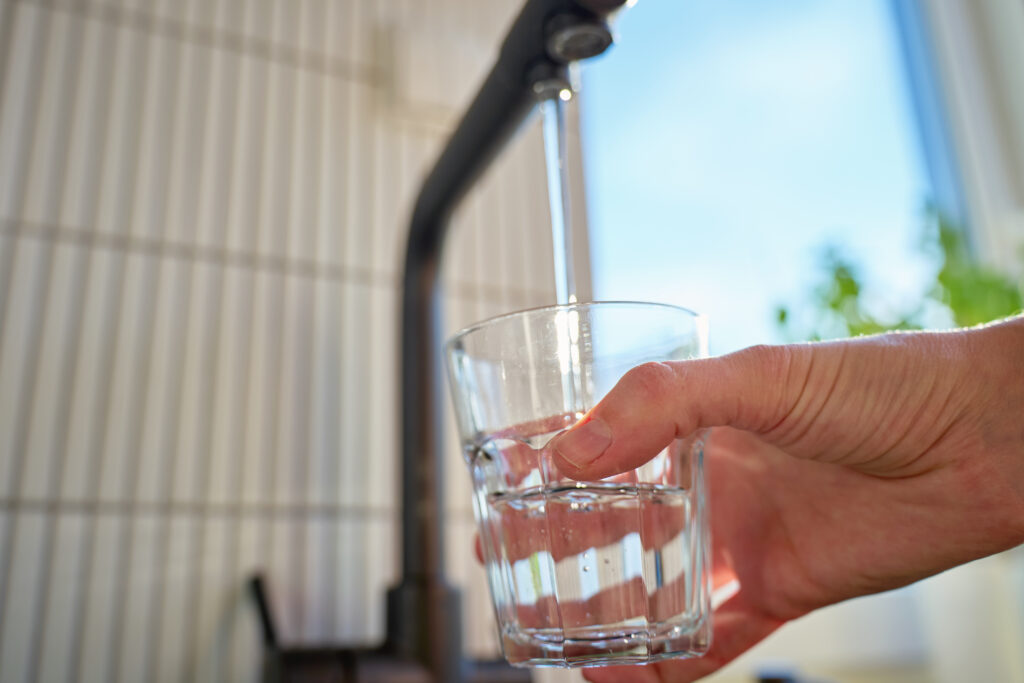

We’ve all been there: you turn on the kitchen faucet to fill a glass, and for a split second, the water looks a bit cloudy. Or perhaps you’re scrubbing the shower and notice a persistent blue-green stain that refuses to budge. Often, our first instinct is to form a “suspicion.” We assume the pipes are old, or maybe there was a recent water main break down the street. While these hunches are often the catalyst for change, relying on a guess is a gamble when it comes to the safety of your household.
In the diverse landscape of Westchester County, homeowners are discovering that a suspicion is only the beginning of the story. The real value lies in move from “I think something is wrong” to “I know exactly what is happening.” Certified water analysis serves as a diagnostic bridge, transforming vague concerns into a precise roadmap for home health and maintenance.
Moving Beyond the Visible
The most common reason people seek out water testing services is visibility. If the water is brown, red, or contains black specks, the problem is obvious. However, the most significant risks to public health are often entirely invisible. Contaminants like lead, arsenic, and nitrates do not carry a scent or a color. They don’t leave a metallic tang on the tongue or a film on the dishes.
A certified analysis looks past the aesthetic issues to the chemical and microbial reality of the supply. For many residents of Yonkers properties, the goal of testing isn’t just to find out why the water is “hard,” but to ensure that the invisible elements—those that could impact long-term health—are well within safe parameters. A suspicion might tell you the water is “off,” but only a lab can tell you if it is truly safe.
The Science of Certainty: Lab vs. DIY
In an era of DIY solutions, many people turn to hardware store test strips. While these can offer a very basic “yes or no” for certain minerals, they lack the sensitivity required for serious health assessments. A certified analysis utilizes advanced technology, such as Inductively Coupled Plasma Mass Spectrometry (ICP-MS), to detect contaminants at the parts-per-billion level.
This level of precision is vital. The Environmental Protection Agency (EPA) sets Maximum Contaminant Level Goals (MCLGs) for various substances. A DIY kit might show that lead is “present,” but it won’t tell you if the level is 2 parts per billion or 20. That difference is the line between a minor plumbing adjustment and a major health intervention. Professional testing replaces the “maybe” of a home kit with the “certainty” of a certified lab report.
Identifying the Root Cause
When a suspicion is confirmed—for instance, if a test shows elevated lead levels—the next question is “where is it coming from?” This is where professional analysis proves its worth. Is the lead leaching from a municipal service line, or is it coming from the lead solder in your own home’s copper piping?
By taking samples from multiple locations throughout the property, such as the main entry point and the kitchen tap, experts can isolate the source of the problem. This saves homeowners thousands of dollars. Instead of replacing the entire plumbing system based on a hunch, you might discover that simply replacing a single brass faucet or installing a targeted filter at the point of use is the actual solution.
A Defensive Shield for Your Home Assets
Water is a powerful solvent. When your water chemistry is unbalanced, it doesn’t just affect your health; it attacks your home. “Hard” water, characterized by high calcium and magnesium levels, creates scale buildup that can choke the life out of your appliances.
- Water Heaters: Scale acts as an insulator, forcing the unit to work harder and eventually causing the tank to fail.
- Dishwashers and Washers: Mineral buildup wears down seals and clogs spray arms.
- Pipes: Over time, scale can reduce water pressure to a literal trickle.
A certified test provides a “Langelier Saturation Index” (LSI) or similar measure of how corrosive or scale-forming your water is. Armed with this data, you can calibrate your water softener or treatment system exactly to your home’s needs, extending the life of your appliances by years. For those worried about the long-term integrity of their plumbing, addressing these water quality concerns proactively is the best insurance policy available.
Protecting the Vulnerable
For families with infants or elderly residents, the stakes are higher. The Centers for Disease Control and Prevention (CDC) highlights that certain populations are much more sensitive to waterborne contaminants. Nitrates, for example, can be particularly dangerous for babies, potentially leading to “blue baby syndrome.”
When a parent has a suspicion about their water, they aren’t just looking for a “pass/fail” grade. They want a comprehensive understanding of the environment they are providing for their children. Knowing that your water is free of bacteria, heavy metals, and harmful chemicals allows for a level of peace of mind that a simple filter pitcher can never provide.
The Role of Real Estate and Transparency
In the Westchester real estate market, transparency is the new gold standard. If you are selling your home, a certified water analysis report is a powerful tool. It shows potential buyers that you have maintained the property with care. It removes the “suspicion” from their mind, replacing it with documented proof of safety.
Conversely, if you are a buyer, performing your own independent test is essential. Never rely solely on a city report; always verify the water quality at the specific tap of the home you are about to buy. You can check our blog for stories and tips on what to look for when inspecting the water systems of older Westchester homes.
Understanding Local Trends
Living in an urban-suburban mix like Yonkers means our water infrastructure is constantly changing. Construction, main repairs, and seasonal shifts in reservoir levels can all impact what flows through your pipes. By establishing a baseline with a certified test, you can monitor changes over time.
If you notice a change six months from now, you’ll have a “before” and “after” to compare. This data is invaluable when dealing with local utilities or insurance companies. If you’re curious about how often you should be checking these levels, our faq section offers guidance on testing intervals based on the age and location of your property.
How to Start the Process
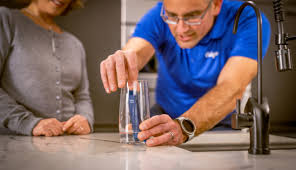
Moving from suspicion to clarity is easier than most people realize. It begins with a consultation to determine which contaminants are most likely to be present based on your home’s age and history.
- Consultation: Identifying specific risks (lead, bacteria, PFAS, etc.).
- Sampling: Professional collection to ensure no outside contamination ruins the sample.
- Analysis: Sending the samples to a state-certified laboratory.
- Reporting: Receiving a clear, actionable breakdown of the results.
This process is the only way to truly “clear the air”—or in this case, the water. It’s an investment in the health of your family and the longevity of your home.
The “Hidden” Contaminants: PFAS and Beyond
Recent years have brought “forever chemicals” (PFAS) into the public consciousness. These substances are pervasive and difficult to remove. Because they are a relatively new concern in many municipal systems, homeowners are often left with many questions. A certified analysis can include testing for these modern chemical threats, providing a comprehensive look at the water that city-wide reports might only touch upon briefly.
The New York Department of Health continues to update its guidelines on these substances, and staying ahead of these changes requires professional-grade data.
Conclusion
A suspicion is a great motivator, but it’s a poor foundation for decision-making. Whether you’re worried about lead in an older home, the performance of your high-end appliances, or the health of your children, certified water analysis provides the hard data you need.
In Yonkers, we take pride in our homes and our community. Taking the step to verify your water quality is a reflection of that pride. It is a commitment to facts over feelings and safety over “maybe.” If you are ready to get the full story on your water supply, we encourage you to contact us today.
Stop wondering if your water is safe and start knowing. Visit olympianwatertestingofyonkers.com to learn more about our commitment to providing Yonkers families with the clarity and certainty they deserve. Your home is your sanctuary; make sure the water within it is as pure as it can be.