The Bronx River Road corridor serves as one of the most vital residential arteries in Southeast Yonkers. Lined with a dense mix of mid-century cooperative apartment buildings, pre-war brick structures, and modern multi-family complexes, this area represents the quintessential Westchester lifestyle—offering easy access to the city via the Fleetwood or Mount Vernon West stations while maintaining a distinct neighborhood feel. However, beneath the well-manicured facades and lobby upgrades of these Yonkers properties, a silent concern is growing among residents: the need for absolute clarity regarding their drinking water quality.
In a high-density area like Bronx River Road, water systems are shared by hundreds of families within a single building. This shared infrastructure creates unique challenges that single-family homes rarely face. When a resident turns on their tap and sees a slight discoloration or notices a strange metallic tang, the question is rarely just about their own unit—it is about the health and integrity of the entire building’s plumbing network.
The Complexity of Multi-Family Plumbing Systems
For residents living in the towering buildings along Bronx River Road, water doesn’t just travel from the city main to their faucet. It often journeys through a complex internal network involving house pumps, roof tanks, and miles of vertical risers and horizontal branch lines. Many of these buildings were constructed during an era when materials like galvanized steel and lead solder were industry standards.
Over time, these materials can degrade. In larger buildings, water can also become stagnant in lines serving unoccupied units or during low-usage periods, leading to a buildup of sediment or the growth of biofilms. While the Yonkers Water Bureau ensures the water meeting the building is treated and safe, the responsibility for what happens once that water enters the building’s footprint lies with the property management or the co-op board. This is where the call for “clarity” becomes essential. Residents deserve to know if the aging infrastructure within their walls is impacting the purity of their daily supply.
Identifying Common Contaminants in High-Density Areas
The Bronx River Road area faces specific water quality concerns that stem from both the age of the housing stock and the density of the population. When water quality is not professionally verified, residents are left to guess about several potential issues:
- Iron and Manganese: These minerals often cause the “brown water” incidents common in older buildings, particularly after local water main work or when a building’s boiler is serviced.
- Lead and Copper: Since many Bronx River Road buildings pre-date modern plumbing codes, the risk of lead leaching from old solder or brass fittings remains a significant concern for families with young children.
- Microbial Growth: In large-scale plumbing systems, “dead legs” (pipes that are no longer used but still connected) can harbor bacteria like Legionella if not properly managed.
- Chemical Disinfection Byproducts: High-density areas often require consistent chlorination to keep water safe as it travels, which can sometimes lead to an unpleasant taste or smell that residents want to verify is within safe limits.
Why Management Reports Aren’t Always Enough
Many co-op boards and property managers provide annual water quality summaries. However, these reports are often based on city-wide data or samples taken from a single point in the basement. They rarely reflect the water quality on the tenth floor or in a corner unit at the end of a long plumbing run.
This is why individual families and proactive boards are increasingly seeking independent water testing services. Professional, independent analysis provides a level of detail that high-level summaries cannot. It identifies whether a problem is localized to a specific apartment, a specific wing of the building, or if it is an issue originating from the municipal supply. In an area as densely populated as the Bronx River Road corridor, this granularity is the only way to achieve true clarity.
The Economic and Social Impact on the Neighborhood
The Bronx River Road area is a competitive real estate market. Potential buyers and renters today are more environmentally conscious than ever. They aren’t just looking at the square footage or the proximity to the train; they are asking about the “vitals” of the building. A building that can provide documented, recent, and clean water quality reports has a distinct advantage.
Furthermore, transparency builds community trust. When management is open about testing protocols and results, it alleviates the anxiety that often spreads through a building’s “grapevine” after a single discolored water event. Investing in clarity is not just a health move; it is a smart property management strategy that protects the long-term value of these locations.
Navigating Local Water Quality Trends
Living near the Bronx River brings a sense of nature to the urban environment, but it also means being aware of the local water table and infrastructure history. Many residents check our blog to stay updated on how local construction projects—like those frequently seen near the Cross County Parkway or the Yonkers-Mount Vernon border—might impact their water pressure and clarity.
Construction vibrations can often stir up decades of sediment in older pipes. For residents along Bronx River Road, knowing when to flush their taps and when to request a formal test is part of being an informed urban dweller. Clarity means knowing the difference between a temporary surge in sediment and a chronic plumbing failure.
How Professional Testing Empowers Residents
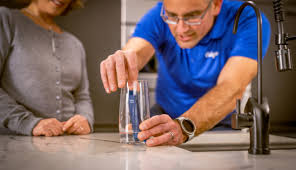
When a family in a Bronx River Road building opts for professional testing, they are taking control of their own health environment. The process is straightforward but scientifically rigorous. Unlike DIY kits, which can produce “false negatives” due to improper sampling techniques, professional testers understand how to capture samples that accurately represent daily usage.
This is particularly important for detecting lead. A “first-draw” sample—the water that has sat in the pipes overnight—is the only way to accurately measure how much metal is leaching into the water. For parents mixing formula or residents with underlying health conditions, this data is non-negotiable. If you have questions about the specifics of the testing process, our faq section provides a wealth of information tailored to the Westchester residential experience.
Steps Toward Better Water Clarity
If you live in or manage a building in the Bronx River Road area, achieving better water clarity starts with a few proactive steps:
- Request Information: Ask your building management for the most recent internal water test results, not just the city-wide report.
- Observe and Document: Keep a log of any changes in color, taste, or odor, especially after heavy rains or local construction.
- Seek Independent Verification: If you are unsatisfied with the answers you receive, an independent test can provide the objective data needed to move forward.
- Community Advocacy: Share your concerns with the co-op board or tenant association. Often, one person’s concern is shared by many others who simply haven’t spoken up.
The goal is to ensure that the water flowing through the thousands of taps along Bronx River Road is as clean and safe as the city intends it to be. The New York State Department of Health provides extensive resources on what constitutes safe drinking water, but it is up to local residents to ensure those standards are being met at their own faucets.
Connecting with Local Experts
At Olympian Water Testing, we understand the specific architectural and infrastructural challenges of Southeast Yonkers. We’ve spent years helping families in the area move past the “guesswork” and into a state of informed confidence. We believe that every resident, whether they are in a garden apartment or a high-rise, deserves to know exactly what is in their glass.
If you feel that your building needs better water quality clarity, don’t hesitate to contact us. We can discuss the specific needs of your building and provide the testing services required to give you peace of mind.
Conclusion
The Bronx River Road area is one of the most vibrant and sought-after places to live in Yonkers. By demanding and achieving better water quality clarity, residents are protecting their health, their investments, and the future of their neighborhood. The technology exists to identify and solve water quality issues; all that is required is the willingness to look closer.
Let’s ensure that the “clarity” of our water matches the clarity of our commitment to a healthy Yonkers. For more information on how we can assist your building or home, visit olympianwatertestingofyonkers.com and explore the resources we’ve built specifically for this community. Clear water is a right, not a luxury—and together, we can make sure it’s the standard for every resident along the Bronx River.