In an era where much of the public conversation around water safety is dominated by “forever chemicals” like PFAS and industrial pollutants, it is easy to lose sight of the foundational threats. For homeowners, particularly those in older suburbs or areas with unique plumbing configurations, the most immediate danger to health often remains the invisible, organic one: bacteria.
While municipal water systems are treated to remove pathogens, the journey that water takes from the treatment plant to your tap is complex. A break in a water main, a cross-connection, or even biofilm accumulation within your home’s internal pipes can introduce biological contaminants. Serious home water programs must prioritize regular bacterial testing, not as an afterthought, but as a primary line of defense.
Why Bacteria Remains a Persistent Risk
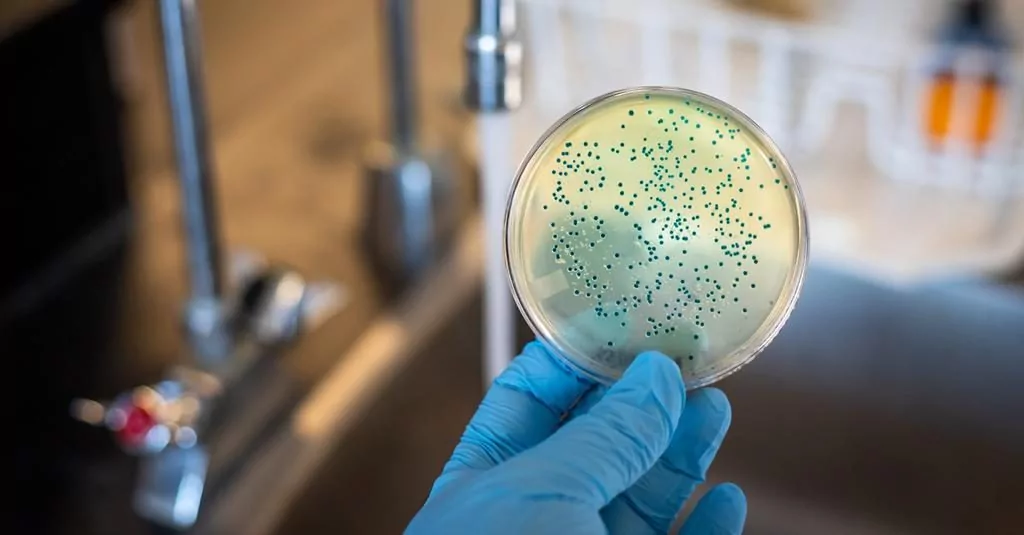
Many homeowners operate under the assumption that because they receive water from a municipal source, it is “sterile” by the time it reaches the kitchen sink. This is a dangerous misconception. Bacteria—such as E. coli or Total Coliform—can enter the system through various points of failure:
- Aging Infrastructure: In many established neighborhoods, older pipes are prone to micro-cracks and pressure drops. A loss of pressure in a main can create a vacuum effect, drawing contaminated groundwater into the drinking supply.
- Biofilms: Bacteria can form protective layers known as biofilms on the inside of plumbing, particularly in areas with low water flow or dead-end pipes. These biofilms can harbor pathogens that are periodically shed into your water.
- Plumbing Cross-Connections: Improperly installed appliances, such as irrigation systems or water softeners, can create cross-connections where non-potable water is accidentally siphoned back into your fresh water lines.
The Reality of Testing Frequency
A “one-and-done” approach to water testing is insufficient for biological threats. Unlike mineral content, which tends to change slowly, bacterial contamination can be transient. A heavy rain event or a nearby construction project that disrupts a water main can introduce bacteria into your supply overnight.
For a robust home maintenance plan, bacterial testing should be conducted annually, or immediately following any significant plumbing work. If you have recently upgraded your home fixtures, as we discussed in our recent look at Crestwood homes, that is the perfect time to ensure no new biological contaminants were introduced during the installation process.
Integrating Biology into Your Overall Strategy
When you look at your water quality concerns, you should treat biological testing as a fundamental check of your system’s integrity. It is not just about identifying a positive or negative result; it is about understanding your home’s specific environment.
If you are currently managing your water testing services internally or through a consultant, ensure that your protocol covers the most common indicators:
- Total Coliform: This is a broad group of bacteria that, while not always harmful themselves, serve as an “indicator” that the water system may be compromised.
- E. coli: A specific subset of coliform bacteria that strongly suggests the presence of fecal contamination—a clear sign that the water is unsafe for consumption without treatment.
Actionable Steps for Homeowners
Don’t wait for a “boil water” advisory from the city to check your home’s safety. Take the following steps to ensure your household remains protected:
- Establish a Baseline: If you haven’t tested for bacteria in the last twelve months, do it now. This gives you a clear understanding of your current risk level.
- Know Your Plumbing: Be aware of any “dead legs” in your piping—sections of pipe that are capped off and rarely see water flow. These are prime breeding grounds for bacteria.
- Respond to Physical Changes: Any sudden change in the smell, taste, or appearance of your water should be treated as a warning sign. While these symptoms are not always indicative of bacteria, they warrant a professional evaluation.
For those who want to learn more about the specifics of these contaminants, our FAQ section provides detailed insights into what these tests actually reveal about your home.
A Comprehensive Approach
Maintaining a serious water program is about more than just checking boxes—it is about stewardship. Whether you are dealing with the complexities of Yonkers properties or maintaining a private residence elsewhere, the goal is always to create a reliable barrier between your family and potential health hazards.
If you are ready to ensure your home’s water is free from biological threats, contact us to schedule a comprehensive assessment. By keeping your finger on the pulse of your home’s water health, you ensure that your water is exactly what it should be: a safe, reliable resource for everyone in your household.
Have you checked your water for bacterial presence in the last year, and are you aware of the risks posed by biofilm in older plumbing systems?